
Choose a place you can actually reach.
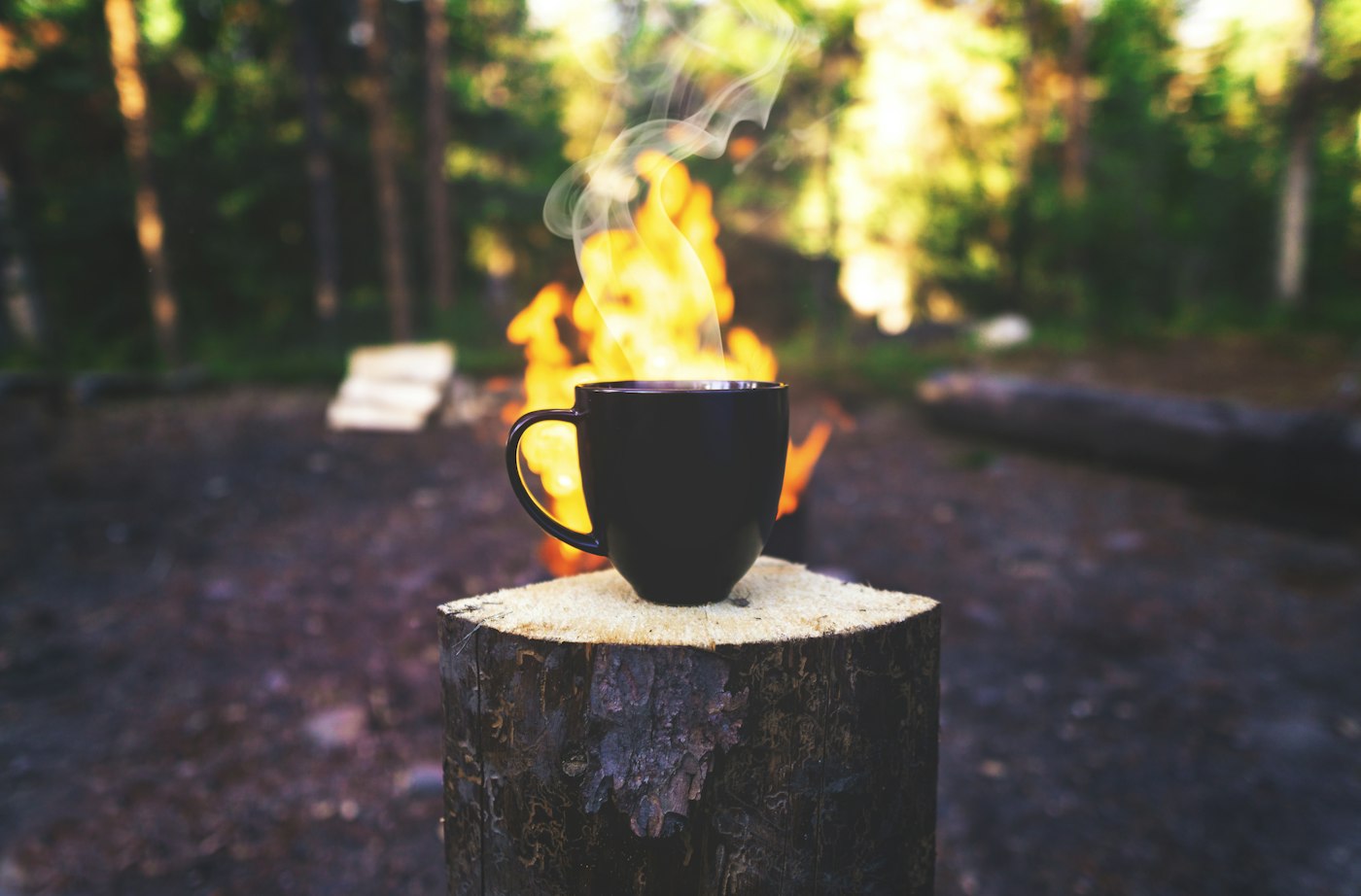
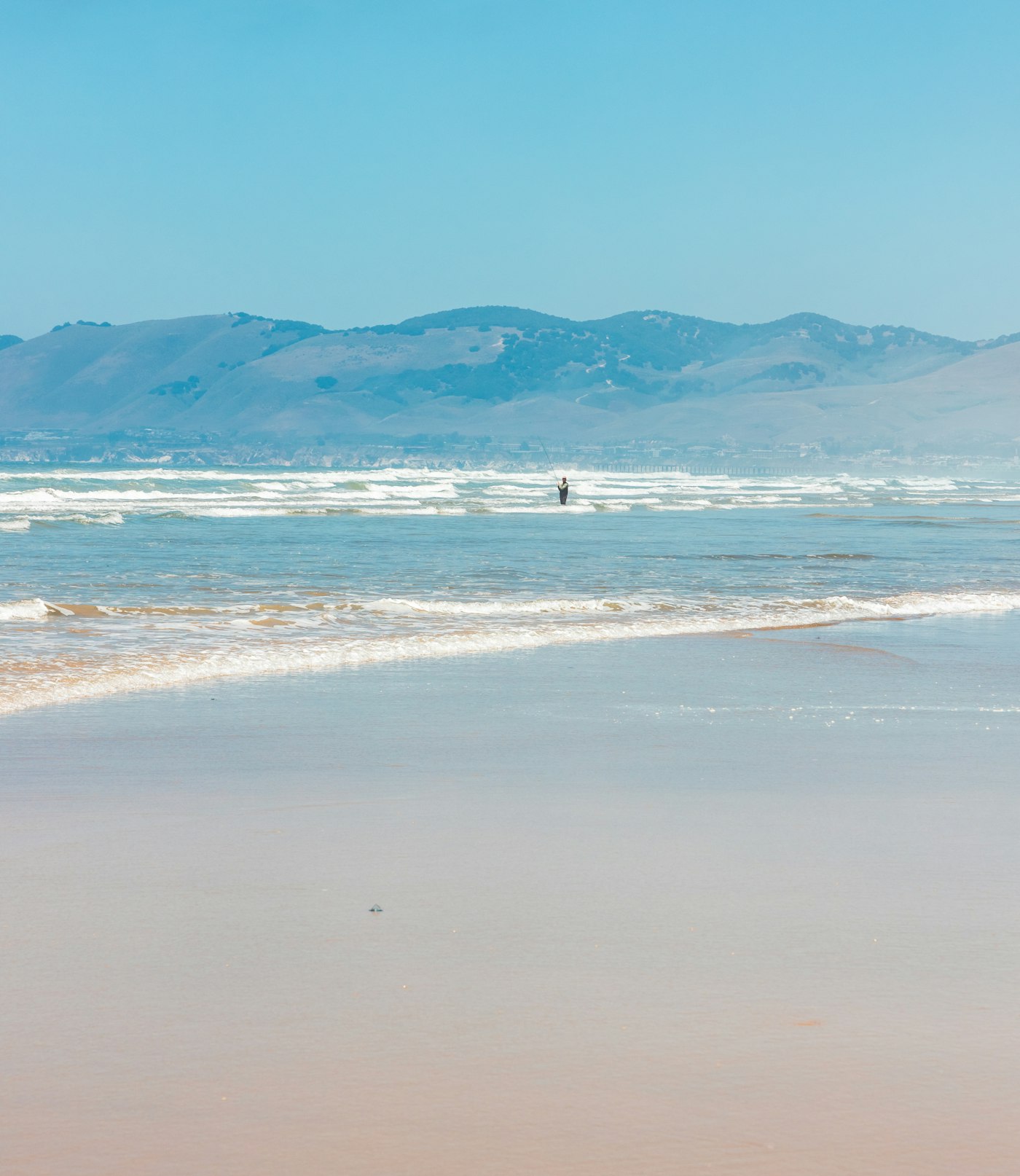
There is a particular kind of quiet beside a fishing rod, under a tree, or looking across an empty stretch of beach. You do not need a remote campsite to make room for it. A local park, an accessible waterfront, a courtyard, or a bench with a view of the sky can be enough for this exercise.
The National Park Service recognizes parks as resources for health and well-being. Our suggestion is modest: use an outdoor visit as a chance to step away from the usual stream of demands.
Sources: [1]
Prepare for the real conditions.
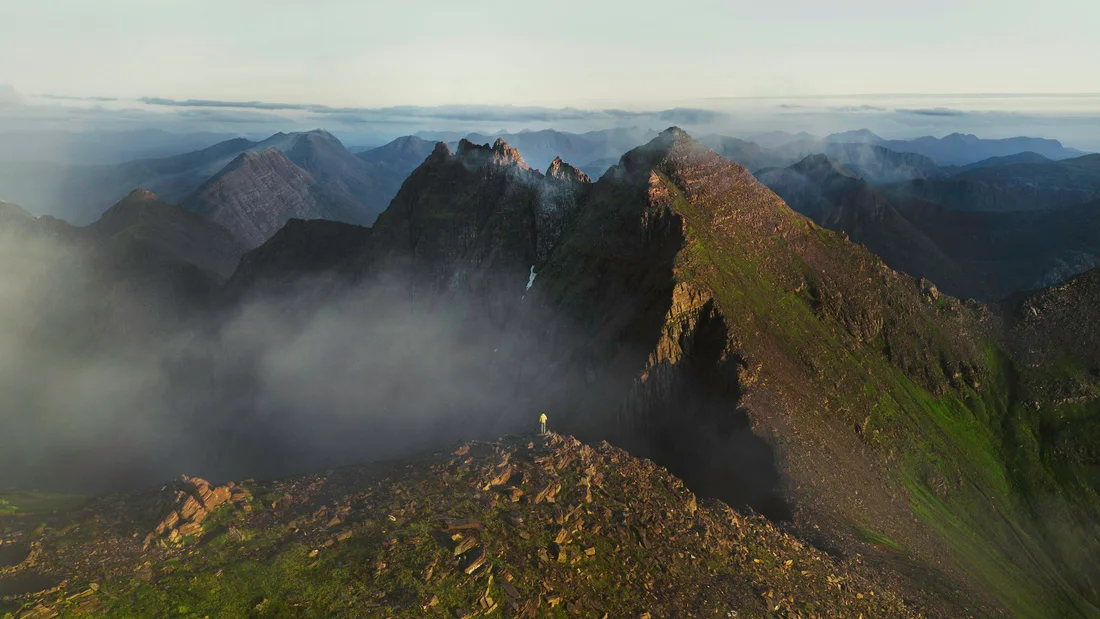
Choose a place and activity suited to your ability. Check the forecast, local alerts, access rules, and opening hours. For a hike, know the route, bring appropriate supplies, and leave your plan with someone you trust. Cell service may be unavailable. Follow the site's guidance for the conditions you will encounter.
Fishing, boating, camping, and swimming each require their own preparation. A brief article cannot replace local safety instructions. Make the first visit simpler if you are unfamiliar with the area.
Give the visit a small shape.
Pick a comfortable amount of time and a clear return plan. On arrival, notice three details you would usually miss: the grain of a wooden bench, a bird moving between branches, the changing color of the water. You can do this while sitting, standing, or moving at your own pace.
Let the phone be available for navigation and emergencies while giving unnecessary notifications a break. No photograph is required. If you want one, take it and return your attention to the place around you.
Bring a question, or leave room for none.
You might consider one question: what deserves my attention this week? Keep the answer concrete. A conversation you have delayed, a repair you can finish, an appointment you should make.
You can also spend the whole visit looking around without turning it into a personal improvement project. There is room for an ordinary afternoon. You do not have to come back with a revelation, a record distance, or proof that you used every minute.
Make the return easy.
Leave the place as you found it and follow local conservation rules. Before you go, decide whether this location is worth returning to. Note what would make the next visit easier: a different time, a companion, or a more accessible route.
Build a small list of nearby places you can use when a full weekend away is impossible.
TAKE IT WITH YOU
This week: choose one accessible outdoor place, check the conditions, and make a simple visit.
Outdoor breaks are optional everyday activities. Follow local safety guidance and adapt the plan to your health, mobility, and surroundings.
Sources & further reading
Original editorial guidance, informed by the sources below. Prepared with AI assistance; not clinically reviewed.
- Healthy Parks Healthy People National Park Service · Accessed 2026-10-28
- Hike Smart National Park Service · Accessed 2026-10-28
- Prepare for Your Activity National Park Service · Accessed 2026-10-28